

Yoga and Mindfulness for Stress Relief: How a Regular Practice Changes Your Nervous System
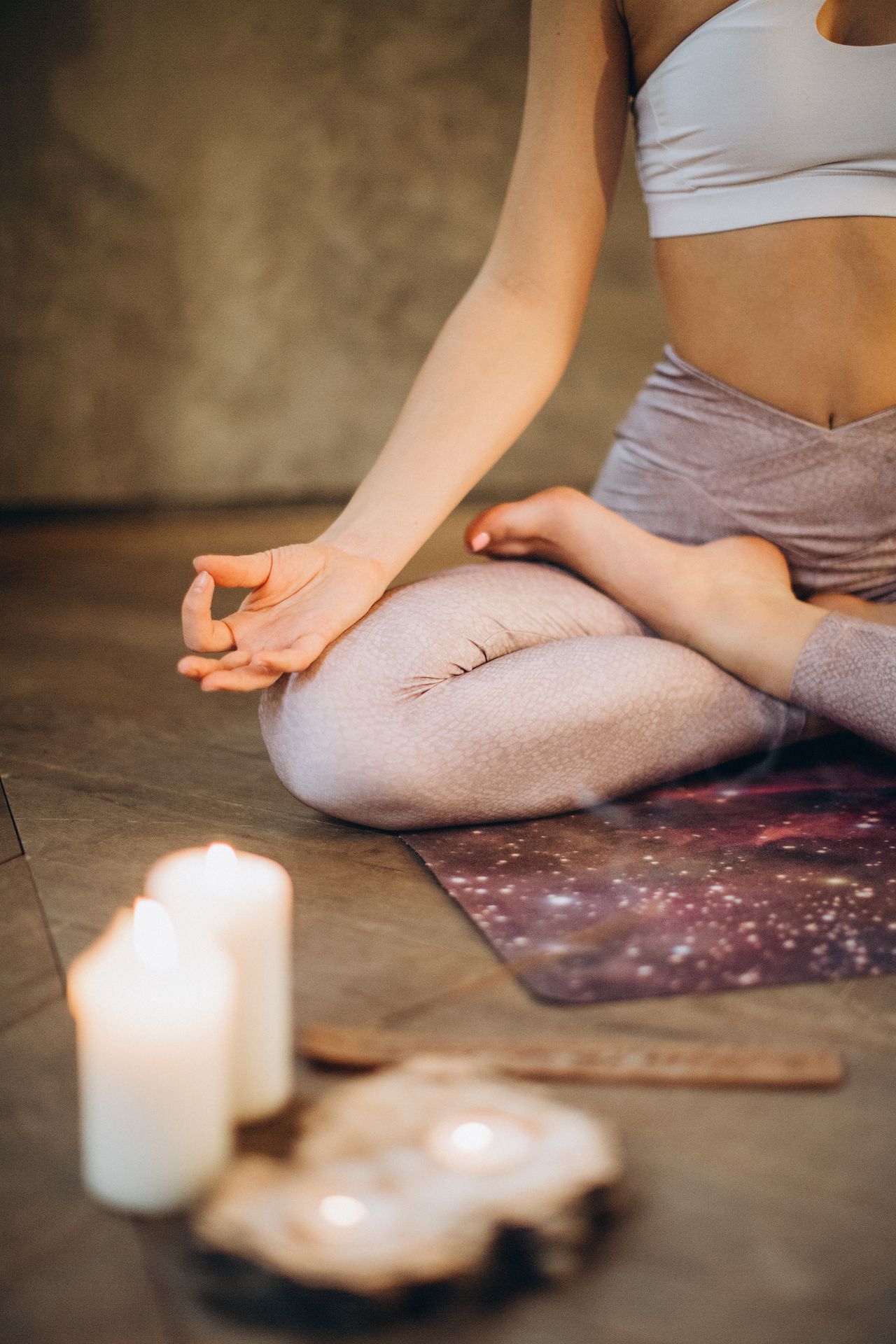
Most people come to yoga or meditation looking for a way to decompress. What they often discover, sometimes unexpectedly, is that it changes how they feel throughout the rest of their day too. Less reactive. Easier in their body. More able to handle what life brings without immediately flooding.
The reason for that is not mystical. It is physiological. And understanding what these practices actually do to your nervous system can help you appreciate why showing up consistently, even when life is full, is genuinely worth it.
Stress and Your Nervous System
Your autonomic nervous system operates in two primary modes. The sympathetic system, often called fight-or-flight, activates when you are under pressure. Your heart rate rises, your muscles tense, and your body prepares to respond.
The parasympathetic system does the opposite. Sometimes called rest-and-digest, it is the state in which your body repairs, regulates, and recovers. Chronic stress keeps many people locked in sympathetic activation far longer than is healthy. The body does not always distinguish between a genuine emergency and a stressful inbox. Over time, that sustained activation takes a real toll on mood, sleep, digestion, and emotional resilience.
What Yoga and Mindfulness Actually Do
Both yoga and mindfulness-based practices work on the nervous system through several interconnected pathways, and the effects are well supported by research.
Breath comes first. Slow, conscious breathing activates the vagus nerve, the primary pathway of the parasympathetic system, and begins to shift the body out of stress activation. This is central to both yoga and meditation, and even a few minutes of intentional breathwork can change how you feel fairly quickly.
Movement matters too. Gentle, rhythmic movement helps discharge the physical tension that stress deposits in the body over time. The shoulders, jaw, hips, and neck are common places where that tension lives, and a thoughtful yoga practice moves through all of them with care.
The quality of attention that these practices cultivate, staying present, noticing sensation without judgment, returning to the breath when the mind wanders, is itself a form of training. Over time, it builds your capacity to remain regulated in stressful moments rather than immediately reacting from a place of overwhelm.
Finding the Practice That Works for You
One of the most common reasons people avoid starting is the belief that they are not the type. Not flexible enough for yoga. Not calm enough for meditation. But neither practice requires you to arrive already at ease. They are tools for getting there, not rewards for already being there.
Workshops and guided sessions offer a lower-pressure way to explore both. Whether you are drawn to movement-based practice, breathwork, or seated meditation, the underlying benefit to your nervous system is consistent across formats. The best practice is the one that you will actually return to.
How Often Is Often Enough?
The honest answer is that any amount helps. Research supports that even one session per week creates measurable reductions in cortisol and self-reported anxiety. Two or three sessions per week accelerate those benefits more significantly.
What matters most is consistency over intensity. A gentle, steady practice maintained week after week will do far more for your nervous system than occasional bursts of effort when you can manage it. If you have been curious about yoga or meditation but have not quite started, this is a good moment. We would be glad to support you in finding your footing.